Build
I stay close to the work. I design, prototype, critique, and code when it helps move the product forward.
Grow
I connect design decisions to customer behavior, product metrics, and the health of the business.
Enable
I hire, coach, and create ownership so designers can make strong decisions without depending on me.
Evolve
I adopt new technology early and fold it into how teams understand, design, prototype, and build.
Ambiguity is usually the real design problem.
Product problems rarely arrive as clean briefs. They arrive as competing needs, incomplete data, and different opinions about what matters.
- What problem are we actually solving?
- Why does it matter to the customer and the business?
- How will we know if we made it better?
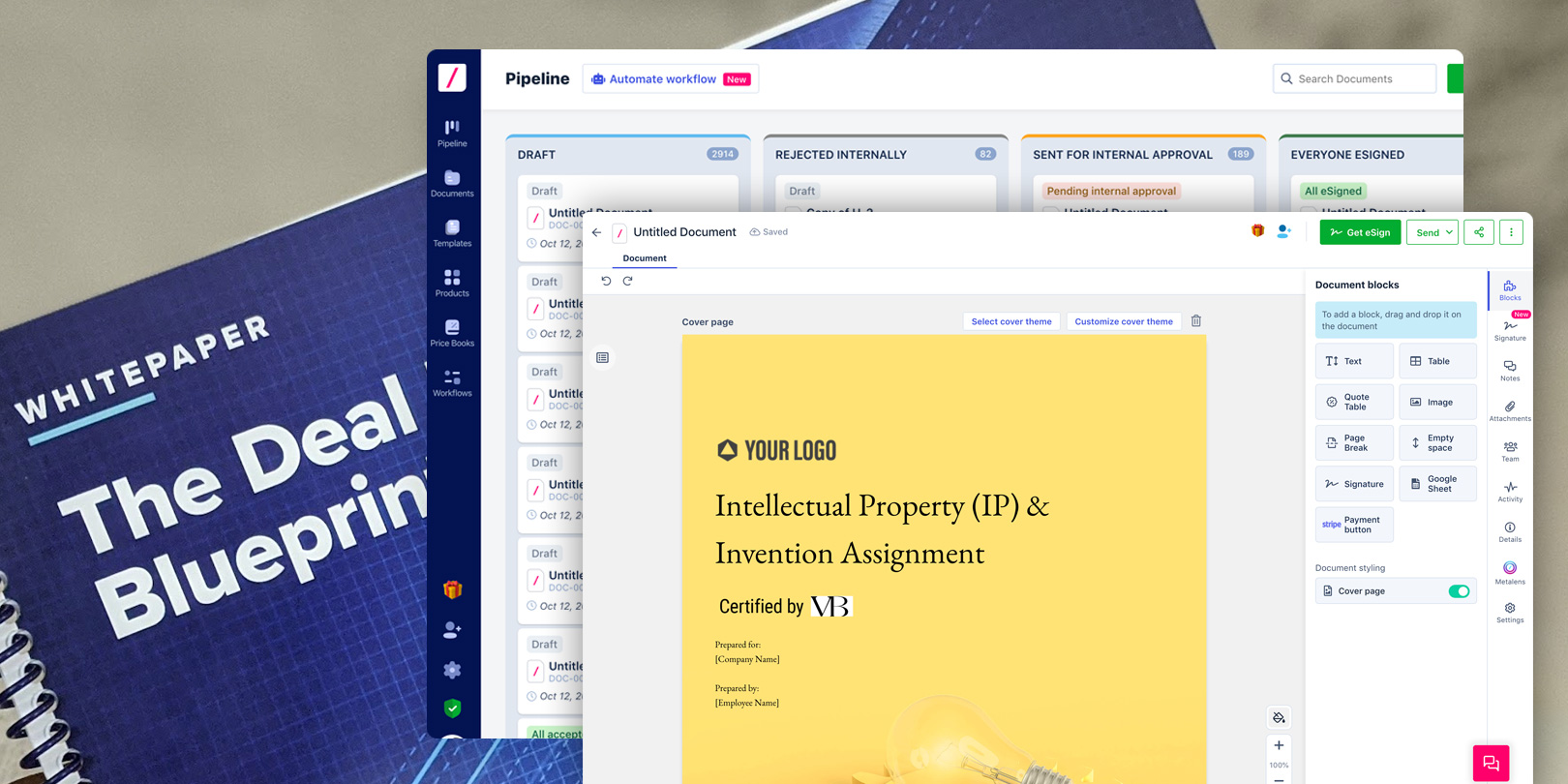
Most of my startup chapters started this way. At Revv, "our CPQ tool isn't the real opportunity" became the hypothesis that took us from quote generation to document management, then Revv AI.
Shipping the design is not the outcome.
I want to know which customer behavior matters and which metric tells us the experience is actually working.
That loop took the LegalZoom business-formation flow from a quiet drop-off point to +5.4% LTV and +5% conversion.
Leadership doesn’t distance me from the product.
Sometimes the fastest way to create alignment isn’t another deck. It’s something people can see and react to.
- Prototype to create conviction
- Code when it’s faster than explaining
- Step back once the team has ownership
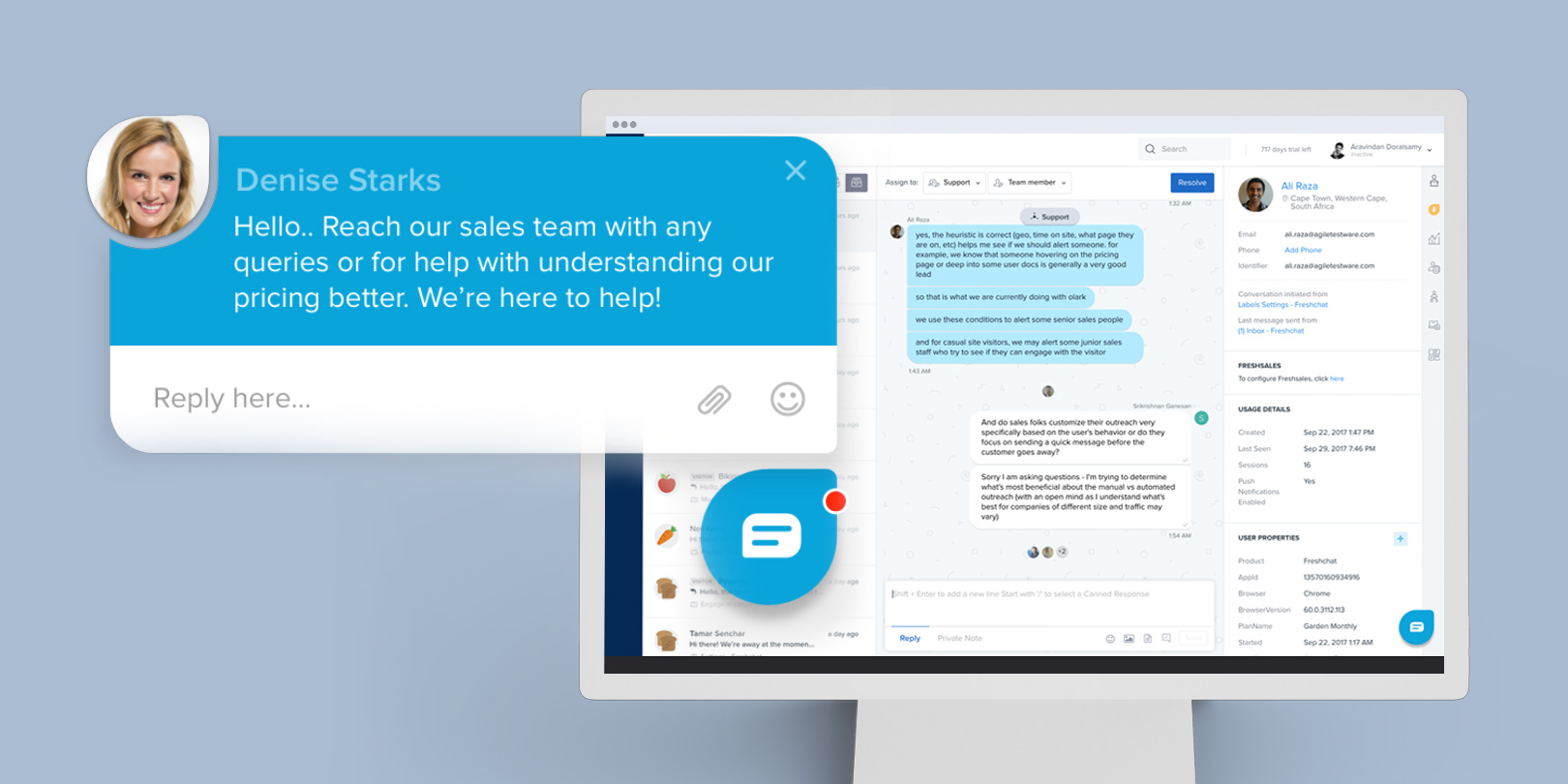
I've pushed code across Revv, Frilp, and Freshchat, and most recently conceptualized, designed, built, and still manage accountable.opendoor.com.
Build designers who don’t need me in every decision.
My role is to give designers context, ownership, and confidence, not to approve every pixel.
Hire
Complementary strengths, not clones.
Context
The why, not just the task.
Ownership
Problems to solve, not solutions to execute.
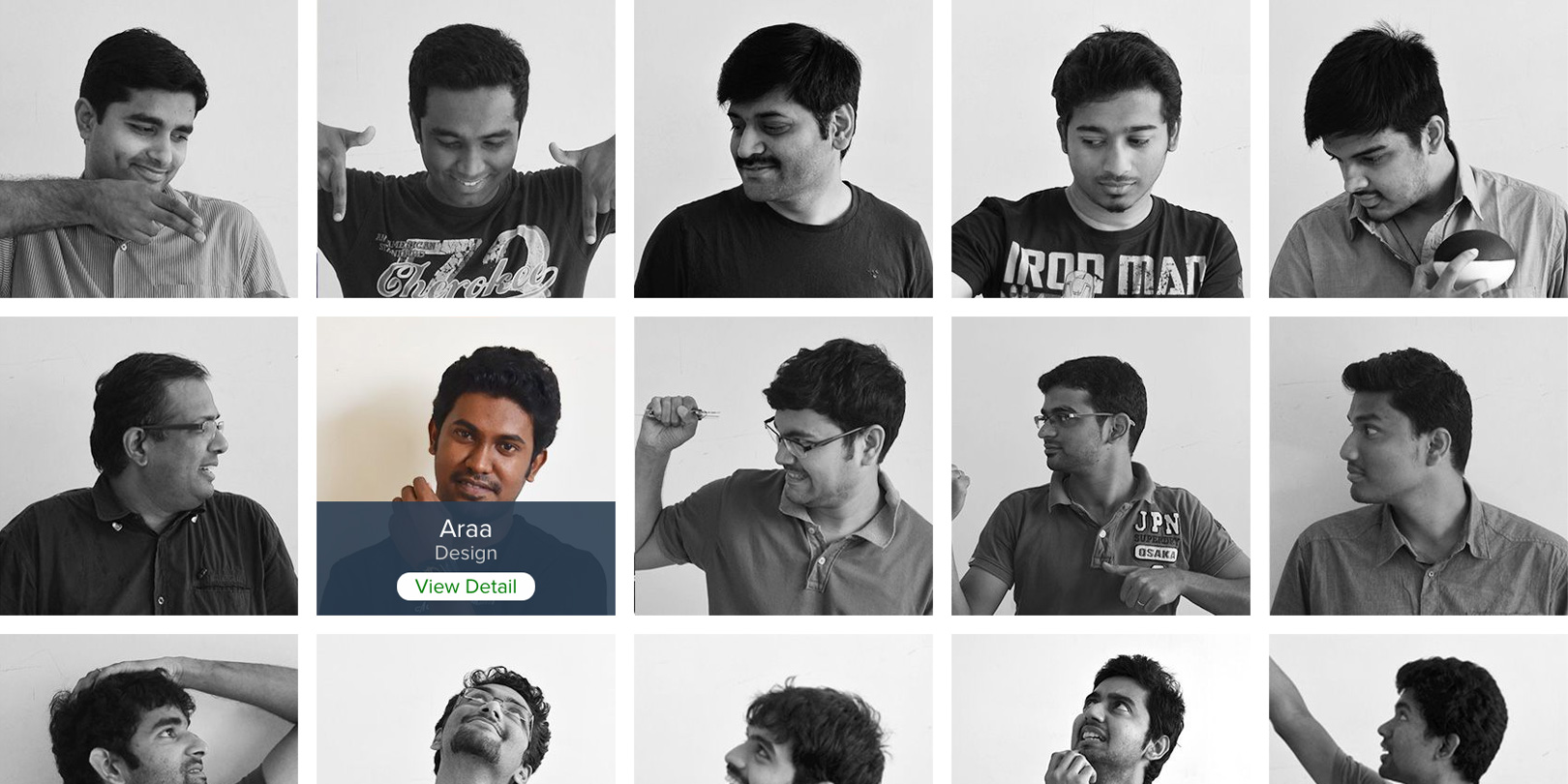
At Freshworks, that meant giving my 4-person team ownership of full flows, research through launch, rather than handing off specs.
Design is a team sport.
The strongest outcomes rarely come from design working alone.
Product
Align on priority and success metric early.
Engineering
Bring them in before the handoff, not at it.
Data
Define success before launch, not after.
At Opendoor, that means regular time with data science and PMs to understand what's really moving the metric, and walking engineering through the "why" behind a decision, not just the spec. Same habit at LegalZoom, Revv and Freshchat, sitting with data and engineering early, not brought in after the design was already locked.
Technology has always been part of my design material.
I’ve coded prototypes throughout my career and adopt new tools early when they help me move from concept to reality faster.
Understand
Research synthesis, faster signal.
Make
Prototypes, functional concepts, code.
Scale
Design systems, repeatable workflows.
At Opendoor, that’s rewriting the design system to work natively with Claude and Cursor, and building a Claude-API Figma plugin to put it into practice.
The work should prove the philosophy.
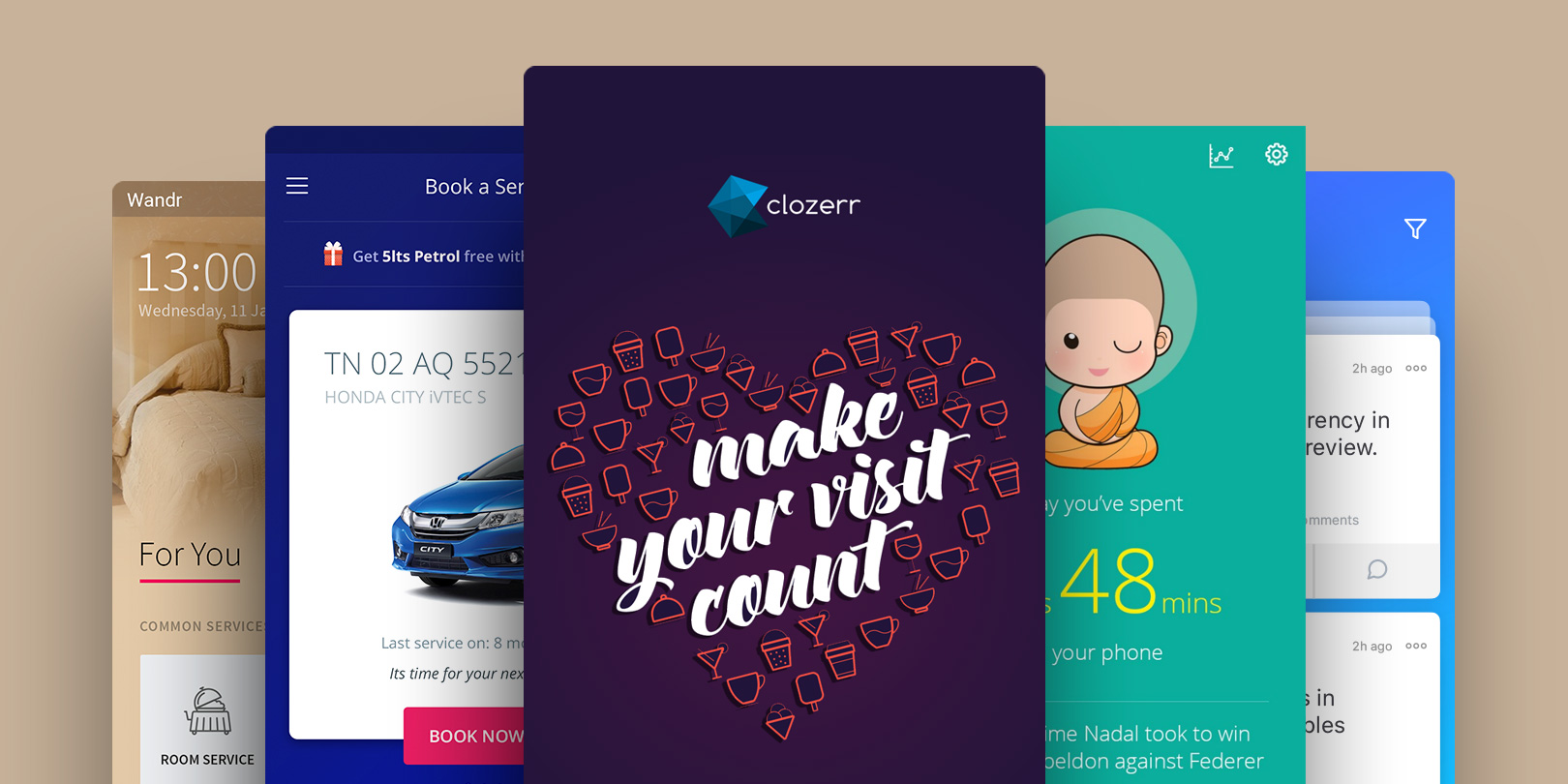
A few examples where business outcomes, hands-on product judgment, team leadership, and cross-functional influence came together.